

Why Is Hydraulic Field Sprayer Essential for Modern Farming?
Hydraulic field sprayers have become one of the most valuable machines in modern agriculture. From improving crop protection efficiency to reducing chemical waste, these advanced spraying systems help farmers achieve higher productivity while lowering labor costs and improving precision in the field.
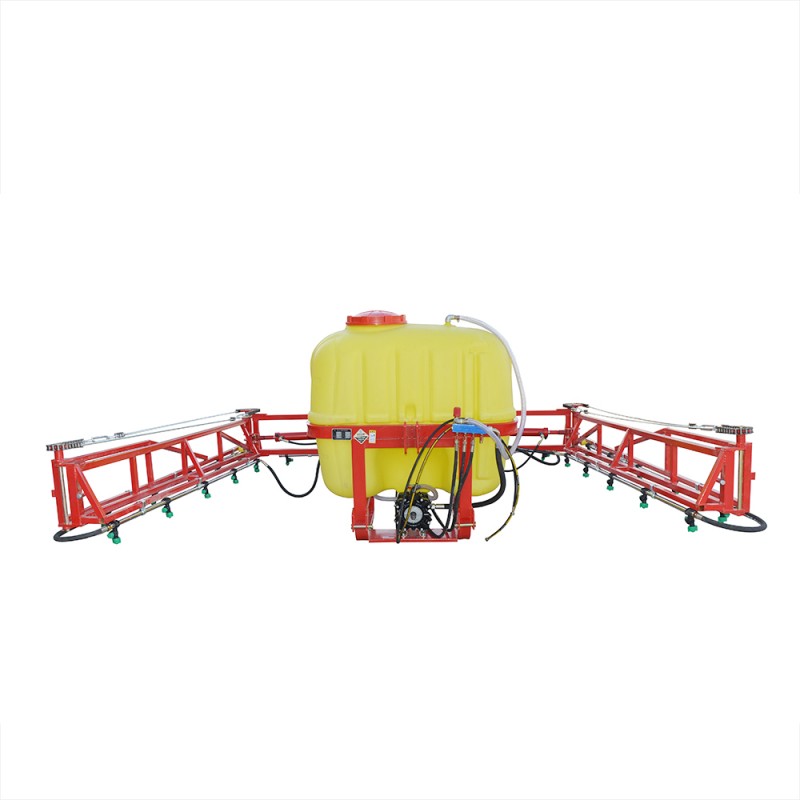
Hydraulic field sprayers are transforming agricultural operations around the world. Whether used for pesticides, herbicides, fungicides, or liquid fertilizers, these machines provide accurate spraying performance and uniform coverage across large agricultural areas. This article explores how hydraulic field sprayers work, their benefits, common challenges, buying considerations, maintenance tips, technological innovations, and practical applications for different farming environments.
Table of Contents
- 1. What Is a Hydraulic Field Sprayer?
- 2. How Does a Hydraulic Field Sprayer Work?
- 3. Main Components of Hydraulic Field Sprayers
- 4. Benefits of Using Hydraulic Field Sprayers
- 5. Common Problems Farmers Face
- 6. How to Choose the Right Hydraulic Field Sprayer
- 7. Hydraulic vs Traditional Sprayers
- 8. Applications in Different Agricultural Fields
- 9. Maintenance and Safety Tips
- 10. Latest Technology Trends
- 11. Cost and Return on Investment
- 12. Frequently Asked Questions
- 13. Final Thoughts
1. What Is a Hydraulic Field Sprayer?
A hydraulic field sprayer is an agricultural machine designed to distribute liquid chemicals evenly across crops using hydraulic pressure systems. These sprayers are widely used in farming for weed control, pest management, disease prevention, and nutrient application.
Unlike manual spraying methods, hydraulic sprayers use pumps, nozzles, pressure regulators, and boom systems to ensure consistent spray coverage. They can be mounted on tractors, self-propelled vehicles, or trailers depending on farm size and operational requirements.
Key Purpose: Hydraulic field sprayers help farmers maximize crop health while minimizing chemical waste and operational labor.
Modern agricultural operations demand high efficiency, especially when managing large fields. Hydraulic field sprayers provide the speed and precision necessary to meet these demands.
2. How Does a Hydraulic Field Sprayer Work?
Hydraulic field sprayers operate by generating pressure through a hydraulic pump system. The liquid solution inside the tank is pushed through hoses and delivered to spray nozzles mounted along a boom structure.
The nozzles atomize the liquid into fine droplets, which are evenly distributed across crops. Pressure control systems regulate flow rate and droplet size to ensure optimal application.
| Component | Function |
|---|---|
| Tank | Stores liquid chemicals or fertilizers |
| Pump | Creates hydraulic pressure |
| Boom | Supports spray nozzles across field width |
| Nozzles | Control spray pattern and droplet size |
| Pressure Regulator | Maintains consistent spray pressure |
| Control System | Manages flow and application accuracy |
Advanced hydraulic systems can automatically adjust pressure based on vehicle speed and terrain conditions, greatly improving spraying consistency.
3. Main Components of Hydraulic Field Sprayers
Understanding the main parts of a hydraulic field sprayer helps farmers choose better equipment and maintain long-term performance.
- Spray Tank: Available in various capacities depending on farm size.
- Hydraulic Pump: The heart of the system responsible for pressure generation.
- Spray Boom: Provides wide coverage and uniform distribution.
- Nozzle System: Determines droplet size and spray angle.
- Filters: Prevent clogging and protect internal components.
- Control Console: Allows operators to monitor spraying performance.
Each component plays a critical role in achieving effective spraying results. Poor nozzle quality or improper pressure control can significantly reduce application efficiency.
4. Benefits of Using Hydraulic Field Sprayers
Hydraulic field sprayers offer several important advantages that make them highly valuable in modern agriculture.
| Benefit | Description |
|---|---|
| Higher Efficiency | Large areas can be sprayed quickly |
| Uniform Coverage | Ensures crops receive balanced treatment |
| Reduced Labor | Minimizes manual work requirements |
| Lower Chemical Waste | Precision application reduces overuse |
| Improved Crop Health | Consistent protection improves yields |
| Time Savings | Faster operations during critical seasons |
These advantages become especially important during narrow planting and treatment windows when timing directly impacts crop productivity.
Farmers using advanced hydraulic sprayers often experience better chemical efficiency and lower operational costs over time.
5. Common Problems Farmers Face
Although hydraulic field sprayers are highly effective, operators may encounter several challenges during operation.
- Nozzle clogging caused by poor filtration
- Uneven spray distribution due to incorrect pressure
- Chemical drift during windy weather
- Pump wear from insufficient maintenance
- Leakage in hydraulic hoses or fittings
- Calibration errors affecting application rates
These problems can lead to reduced crop protection, wasted chemicals, environmental concerns, and higher operational expenses.
Regular inspection, calibration, and cleaning are essential for preventing these issues.
6. How to Choose the Right Hydraulic Field Sprayer
Selecting the correct hydraulic field sprayer depends on multiple operational factors.
| Selection Factor | Importance |
|---|---|
| Farm Size | Determines tank capacity and boom width |
| Crop Type | Influences nozzle selection and spray pattern |
| Terrain | Requires suitable mobility and stability |
| Budget | Affects available technology options |
| Automation Level | Improves precision and labor efficiency |
| Maintenance Support | Ensures long-term operational reliability |
Farmers should evaluate both immediate operational needs and long-term expansion plans before investing in spraying equipment.
Choosing the wrong sprayer size may increase operational costs and reduce productivity.
7. Hydraulic vs Traditional Sprayers
Traditional manual sprayers are still used in some regions, but hydraulic systems offer significant improvements.
| Feature | Hydraulic Sprayer | Traditional Sprayer |
|---|---|---|
| Coverage Speed | High | Low |
| Precision | Excellent | Limited |
| Labor Requirement | Low | High |
| Chemical Efficiency | Better | Lower |
| Suitable for Large Farms | Yes | No |
| Automation Capability | Advanced | Minimal |
As agricultural operations become more technology-driven, hydraulic sprayers continue replacing outdated manual systems.
8. Applications in Different Agricultural Fields
Hydraulic field sprayers are widely used across many agricultural sectors.
- Grain Farming: Wheat, rice, corn, and barley fields require large-scale spraying efficiency.
- Vegetable Farming: Precision spraying protects sensitive crops.
- Fruit Orchards: Specialized nozzles improve canopy penetration.
- Cotton Farming: Pest management is critical for productivity.
- Plantation Agriculture: Large plantations benefit from automated coverage.
Different agricultural environments may require customized boom lengths, spray patterns, and pressure settings.
9. Maintenance and Safety Tips
Proper maintenance extends equipment lifespan and improves spraying performance.
- Clean filters after every operation
- Inspect hoses and seals regularly
- Calibrate nozzles periodically
- Flush tanks thoroughly after chemical use
- Store equipment in dry environments
- Use protective gear during operation
Safety should always remain a top priority. Chemical exposure and equipment malfunctions can create serious operational risks.
Preventive maintenance costs are significantly lower than major equipment repairs or crop treatment failures.
10. Latest Technology Trends
Agricultural spraying technology continues evolving rapidly with automation and precision farming systems.
| Technology | Advantage |
|---|---|
| GPS Guidance | Reduces overlap and missed areas |
| Automatic Section Control | Improves spray efficiency |
| Variable Rate Technology | Optimizes chemical usage |
| Smart Sensors | Detect crop conditions in real time |
| Drone Integration | Supports precision agriculture |
These innovations help farmers increase productivity while reducing environmental impact and operational expenses.
11. Cost and Return on Investment
The cost of hydraulic field sprayers varies depending on size, automation level, and technical features.
While advanced models may require a larger initial investment, long-term operational savings often justify the expense.
- Reduced chemical waste lowers annual costs
- Higher spraying speed saves labor expenses
- Improved crop protection increases yield potential
- Automation reduces operator fatigue
- Better precision improves sustainability
Farmers should evaluate total ownership costs rather than focusing only on initial purchase prices.
12. Frequently Asked Questions
Q1: What crops can hydraulic field sprayers be used for?
Hydraulic field sprayers are suitable for grains, vegetables, orchards, cotton, plantations, and many other agricultural crops.
Q2: How often should sprayer nozzles be replaced?
Nozzles should be inspected regularly and replaced when spray patterns become uneven or worn.
Q3: Can hydraulic sprayers reduce chemical consumption?
Yes. Accurate pressure control and precision spraying help reduce unnecessary chemical use.
Q4: Are hydraulic field sprayers suitable for small farms?
Smaller models are available for medium and small-scale agricultural operations.
Q5: What maintenance is most important?
Cleaning filters, inspecting hoses, and calibrating nozzles are among the most critical maintenance tasks.
13. Final Thoughts
Hydraulic field sprayers have become essential tools in modern agriculture due to their efficiency, precision, and operational advantages. They help farmers protect crops effectively, reduce waste, and improve productivity across various farming environments.
As agricultural technology continues advancing, hydraulic spraying systems will play an even greater role in supporting sustainable and profitable farming operations worldwide.
Investing in high-quality spraying equipment is not only a productivity decision but also a long-term strategy for modern agricultural success.
Looking for Reliable Hydraulic Field Sprayer Solutions?
Baoding Harvester Import And Export Trading Co., Ltd provides professional agricultural machinery solutions designed to improve spraying efficiency, crop protection, and farming productivity.
Whether you need advanced hydraulic field sprayers for large-scale agriculture or customized solutions for specialized farming operations, our experienced team is ready to support your business needs.
Contact us today to learn more about our agricultural equipment solutions and discover how we can help your farming operations achieve better performance and higher efficiency.